
Leave A Message
If you are interested in our products and want to know more details, please leave a message here, we will reply you as soon as we can.

Southeast Asia WPC Capacity Rise Reshapes Global Decking Supply
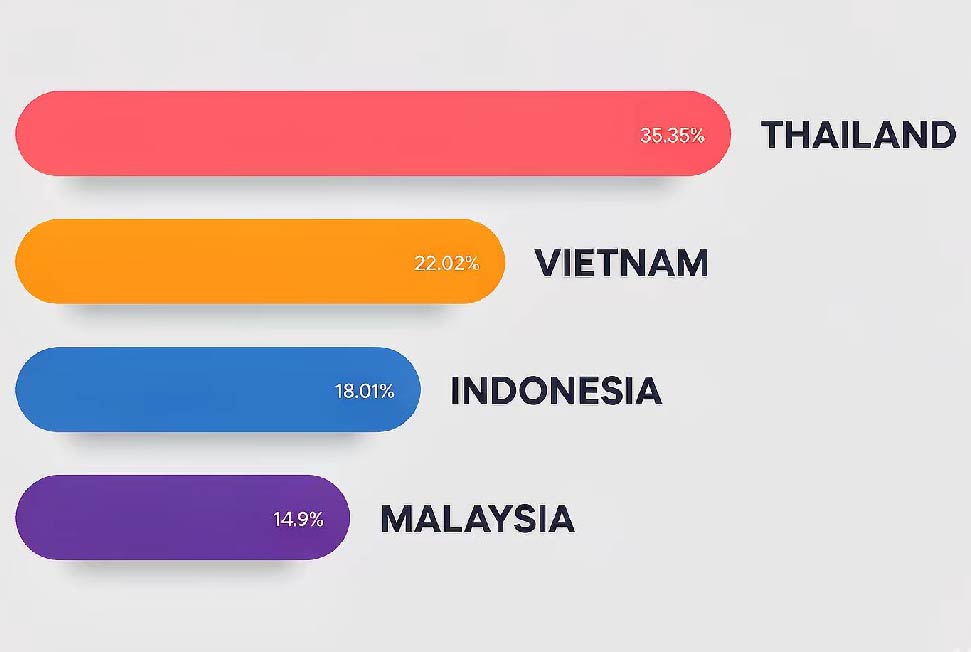
Southeast Asia has become the world's fastest-growing production base for WPC decking and composite fencing, with regional capacity exceeding 850,000 tonnes per year at the end of 2025. Industry reports put the regional WPC market at USD 1.87 billion in 2025, up 14.3% year-on-year, and forecast USD 2.15 billion for 2026 — the third straight year of above-global-average growth. Thailand and Vietnam lead the build-out with 32% and 28% of regional capacity, while Vietnam also became the largest single consumer market in 2026 at an estimated USD 940 million, overtaking Thailand for the first time. Chinese manufacturers with overseas factories in Vietnam and Thailand now contribute about 18% of local capacity, a share expected to reach 22% this year.
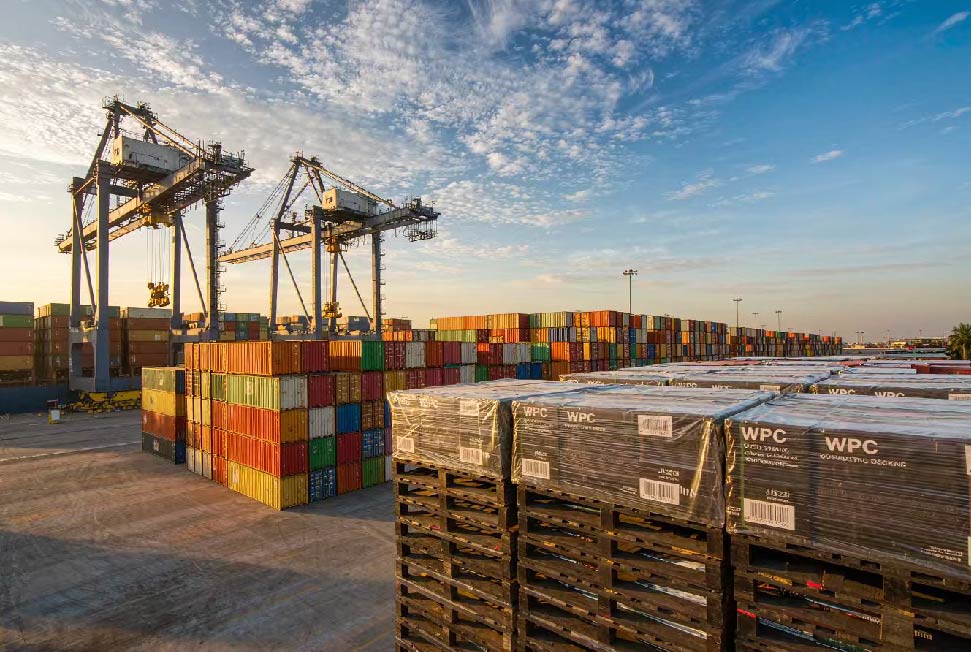
Trade flows are following a new "Chinese materials, regional assembly" pattern. In 2026, Southeast Asia imported roughly 234,000 tonnes of modified additives and specialty resins from China, up 17.9%, while finished WPC wall panel and decking products were exported mainly to the Middle East, Japan, South Korea, and Australia — regional exports of wood-plastic products reached roughly USD 0.5-0.7 billion a year under broad customs classifications (UN Comtrade data, HS 392590/391890/4410), roughly double 2020 levels, with the precise WPC-specific share hard to isolate under current tariff codes. Intra-regional shipments of semi-finished profiles grew 21% in 2025, showing how quickly the ASEAN supply chain is integrating under the free trade area.
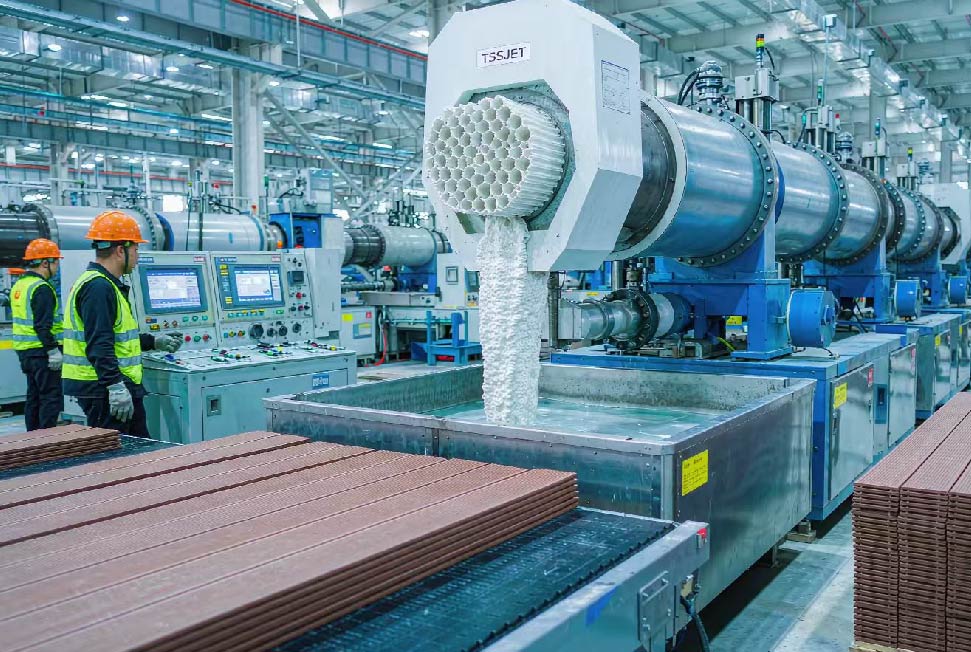
Technology and certification barriers are rising alongside capacity. Co-extruded products — the protective-shell technology that dramatically improves weather and UV resistance — now account for 47% of regional output, up from 29% in 2020, and recycled plastics with rice-husk or bamboo fillers make up 68% of raw material input. Regulation is moving just as fast: Thailand's green building label requires WPC products to cover at least 30% of materials in public buildings, Vietnam offers tax relief for WPC under its national new materials catalog, and Indonesia enforces mandatory SNI certification for outdoor profiles. For EU-bound goods, ISCC PLUS certification among regional suppliers jumped from 12% to 29% in a single year under pressure from the carbon border mechanism.
For global buyers of WPC decking, composite fencing, and outdoor WPC wall panel products, Southeast Asia offers a credible alternative sourcing base — but the market is two-tiered. Integrated producers running co-extrusion lines with international certifications maintain gross margins above 35%, while small factories competing on commodity profiles earn below 18% and face mounting compliance pressure. Importers are advised to verify SNI, ISCC PLUS, and CE/EPD certification early in supplier evaluation, and to confirm co-extrusion specifications in writing before placing orders.
About Senlai: A Stable WPC Supply Partner in a Shifting Market
As Southeast Asia ramps up production and global buyers reassess their sourcing strategies, Senlai offers a dependable Chinese manufacturing base for WPC decking, composite fencing, and WPC wall panel projects. Our factory produces both standard and co-extrusion profiles, so distributors and project buyers can source entry-level and upgraded specifications from a single supplier. We support OEM/ODM customization — profile dimensions, colors, surface embossing, and packaging can be adapted to your market and certification requirements. Consistent batch-to-batch color and quality control is a core commitment, backed by third-party test reports for water absorption, fire rating, and weather resistance. Contact our team to discuss how our WPC solutions can complement your sourcing plan.


 New Products